 Free delivery on all ordersNo minimum spendSame day delivery within 2 hours (place your order before 9 PM)Safe and secure shoppingWe are a MOHAP approved online pharmacyWe deliver to Emirates of Dubai and Abu Dhabi.


Migraine: Causes, Symptoms & Effective Treatment Options

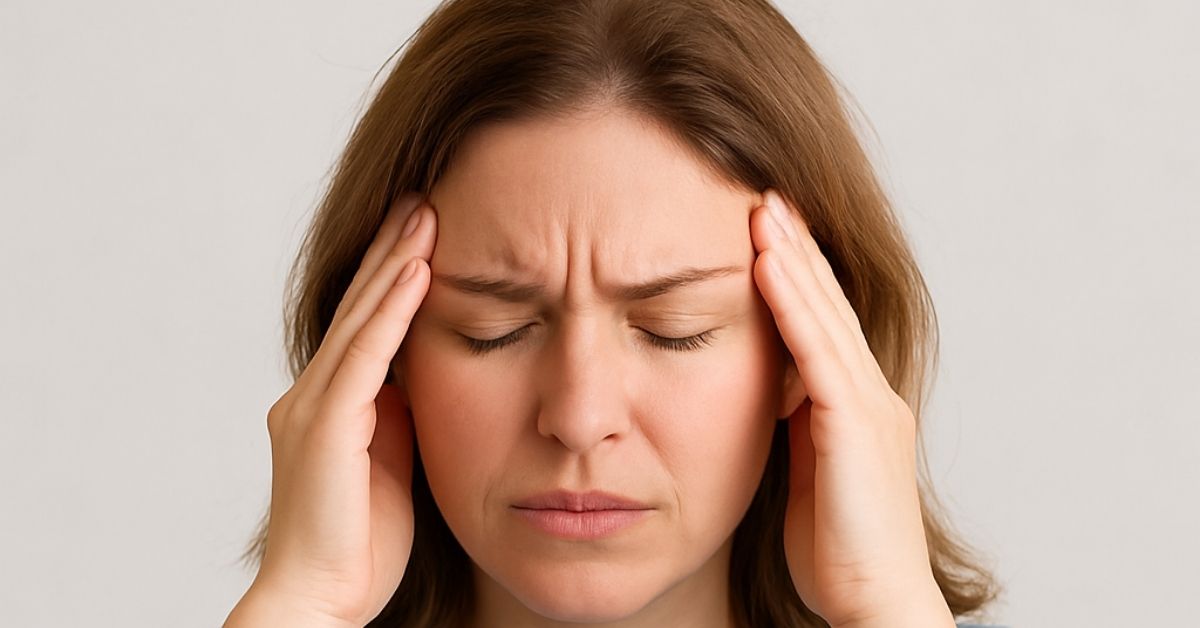
Migraine: Causes, Symptoms & Effective Relief
Migraine is more than just a headache. It’s a neurological condition that affects the nerves, blood vessels, and chemicals in the brain. For many people, migraine attacks bring throbbing pain, nausea, sensitivity to light and sound, and in some cases, visual disturbances that appear just minutes before the headache begins. These symptoms can significantly impact daily routines, mood, and productivity.
What Is a Migraine?
A migraine is a recurring headache disorder that causes moderate to severe pain, often on one side of the head. Unlike a typical headache, a migraine can last from 4 to 72 hours and is usually accompanied by additional neurological symptoms.
Types of Migraine
- Migraine without aura – the most common type.
- Migraine with aura – involves visual or sensory changes before the pain.
- Chronic migraine – occurs on 15 or more days per month.
- Vestibular migraine – causes dizziness and balance problems.
- Hemiplegic migraine – rare, causes temporary weakness on one side of the body.
Common Migraine Symptoms
Migraine symptoms vary from person to person, but most attacks include:
- Throbbing or pulsating headache.
- Pain on one or both sides of the head.
- Sensitivity to light, sound, or smells.
- Nausea or vomiting.
- Blurred vision or difficulty concentrating.
Aura Symptoms
Some individuals experience an aura—early warning signs that may include:
- Flashing lights.
- Zigzag patterns.
- Blind spots.
- Numbness or tingling.
- Difficulty speaking.
What Causes Migraines?
Migraines develop from abnormal brain activity that affects nerve pathways and blood vessels. While the exact cause is still not fully understood, many known triggers can contribute to an attack.
Common Migraine Triggers
- Hormonal changes.
- Stress and anxiety.
- Sleep disturbances.
- Weather or temperature changes.
- Dehydration.
- Certain foods like chocolate, aged cheese, and processed meats.
- Skipped meals.
- Bright lights or strong smells.
The Four Stages of a Migraine Attack
1. Prodrome (Pre-Headache Phase)
Occurs hours or days before the attack
- Fatigue.
- Food cravings.
- Neck stiffness.
- Irritability or mood changes.
2. Aura (If Present)
Visual or sensory changes that may last 10–60 minutes
3. Attack Phase
This is when the migraine headache occurs and may include:
- Severe throbbing pain.
- Nausea.
- Sensitivity to light and sound.
4. Postdrome
After the headache, people may feel drained, confused, or sensitive to light for up to a day.
Migraine Treatment Options
Acute Treatment (During the Attack)
- Pain relievers such as paracetamol or ibuprofen.
- Anti-inflammatory medications.
- Triptans for moderate to severe migraine.
- Anti-nausea medication.
- Resting in a dark, quiet room.
Preventive Treatment
For frequent migraines, a doctor may recommend preventive medications or supplements such as magnesium or riboflavin. Identifying and avoiding personal triggers also plays a significant role in prevention.
Home & Natural Remedies
Many people find relief through supportive measures such as:
- Applying cold compresses to the head.
- Staying hydrated throughout the day.
- Practicing relaxation or breathing techniques.
- Taking short breaks from screens.
- Ensuring consistent sleep patterns.
When to Seek Medical Attention
Consult a healthcare professional if:
- Your migraine symptoms are worsening.
- Attacks occur more than twice per week.
- Headaches appear suddenly and severely.
- You experience confusion, weakness, or trouble speaking.
- Current treatments are no longer effective.
Disclaimer
This article is for informational purposes only and should not be considered medical advice. If you experience severe or persistent symptoms, please consult a healthcare professional for proper diagnosis and treatment.
November 27, 2025
|
View: 96
|
Categories: Health and Wellness, Pharmacy & Health Advice, Headache & Pain Relief
| Tags: migraine, migraine headache, migraine symptoms, migraine treatment, migraine aura, migraine relief, neurological health, pain relief
Related Posts

Tired but Can’t Sleep? Melatonin Might Help
August 19, 2025| Posted in Health and Wellness| 285

Boost Energy, Reduce Stress: Discover the Power of Ashwagandha
September 16, 2025| Posted in Health and Wellness, Vitamins and Supplements| 214