 Free delivery on all ordersNo minimum spendSame day delivery within 2 hours (place your order before 9 PM)Safe and secure shoppingWe are a MOHAP approved online pharmacyWe deliver to Emirates of Dubai and Abu Dhabi.


Hives (Urticaria): Symptoms, Causes, and Treatment (Plus When to Worry)

Hives (Urticaria): Symptoms, Causes, and Treatment (Plus When to Worry)
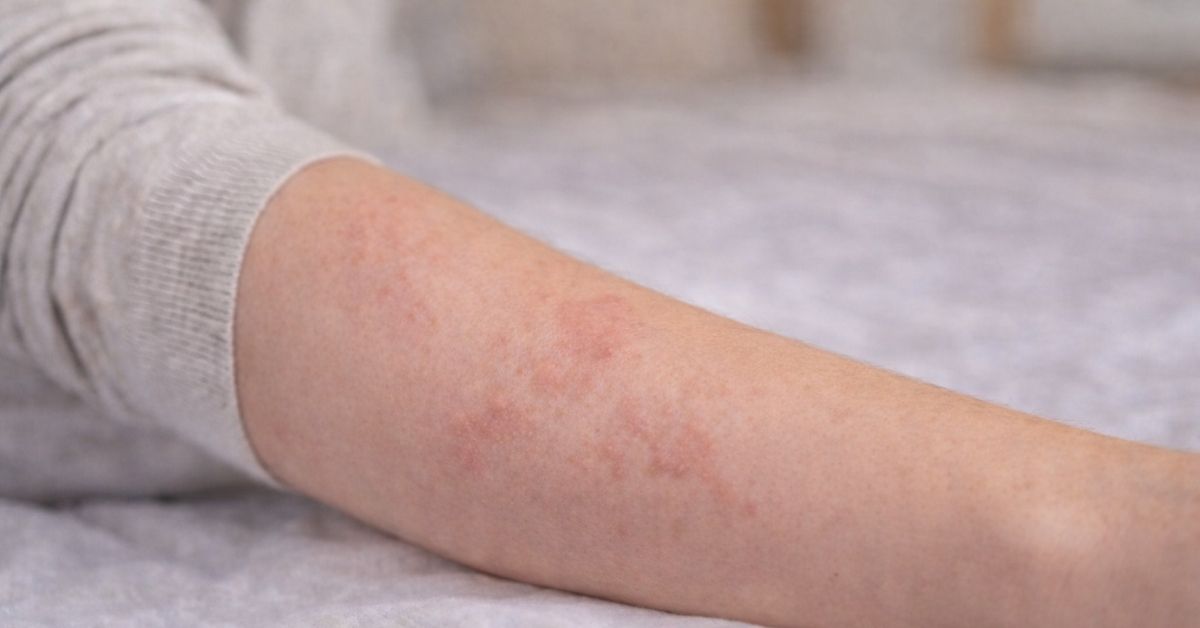
Hives (also called urticaria) are raised, itchy welts that can appear suddenly and move around the body. They may look alarming, but many cases are short-lived and improve with simple care. This guide explains what hives look like, common triggers, treatment options, and when to seek urgent help.
What are hives (urticaria)?
Hives are a skin reaction that causes itchy welts. The welts can vary in size, come and go, and sometimes join together into larger patches. In some cases, hives are triggered by allergies, infections, heat, cold, pressure on the skin, or certain medications.
Hives symptoms (what you may notice)
Common urticaria symptoms
-
Raised, itchy bumps or patches (“welts”)
-
Red or skin-colored areas that may sting or burn
-
Welts that change size, shape, or location
-
Symptoms that may worsen with heat, sweating, or scratching
Swelling under the skin (angioedema)
Some people also get deeper swelling (often around the eyes, lips, or face). If swelling affects the tongue, throat, or breathing, this can be serious and needs urgent medical attention.
What causes hives?
Hives happen when your body releases chemicals (like histamine) in the skin, which leads to swelling and itching.
Common triggers
-
Foods (for some people)
-
Medicines (some reactions can be medication-related)
-
Infections (especially with sudden/acute hives)
-
Insect bites or stings
-
Heat, cold, pressure on the skin, or sun exposure
-
Stress (can worsen symptoms for some people)
Acute vs. chronic urticaria
-
Acute hives: symptoms last less than 6 weeks
-
Chronic hives: symptoms last more than 6 weeks or keep returning over time
Chronic hives can be frustrating because the exact trigger isn’t always clear, but symptoms are often manageable with the right plan.
Hives treatment (practical relief)
What you can do at home
-
Apply cool compresses to itchy areas
-
Take lukewarm showers (avoid very hot water)
-
Wear loose, breathable clothing
-
Avoid known triggers when possible
-
Use gentle, fragrance-free moisturizers to support the skin barrier
Pharmacy options:
For many people, non-drowsy antihistamines are commonly used to help reduce itching and swelling. Your pharmacist can guide you on appropriate options and safe use, especially for children, pregnancy, breastfeeding, or people with chronic conditions.
When to see a doctor (and when it’s urgent)
Seek urgent medical care if you have hives with:
-
Trouble breathing, wheezing, or tightness in the throat
-
Swelling of the tongue, lips, mouth, or throat
-
Feeling faint, dizzy, or severely unwell
Book a medical check if:
-
Hives keep coming back or last more than a few days
-
Symptoms are severe or not improving
-
You suspect a medication trigger
-
Hives last more than 6 weeks (possible chronic urticaria)
Key takeaway
Hives (urticaria) can look dramatic, but many cases settle with simple steps and the right treatment. The most important thing is knowing the warning signs and getting help quickly when needed.
Disclaimer
This article is for educational purposes only and does not replace medical advice. Seek urgent care if you have swelling of the face/throat or breathing difficulty.
December 18, 2025
|
View: 69
|
Categories: Skin Health, Allergies and Immunity, Health Conditions
| Tags: hives, urticaria, hives rash, urticaria symptoms, hives treatment, allergic reaction, itchy skin, skin allergy, angioedema, chronic hives, stress hives