 Free delivery on all ordersNo minimum spendSame day delivery within 2 hours (place your order before 9 PM)Safe and secure shoppingWe are a MOHAP approved online pharmacyWe deliver to Emirates of Dubai and Abu Dhabi.


Back-to-School Itch: A Parent’s Guide to Head Lice

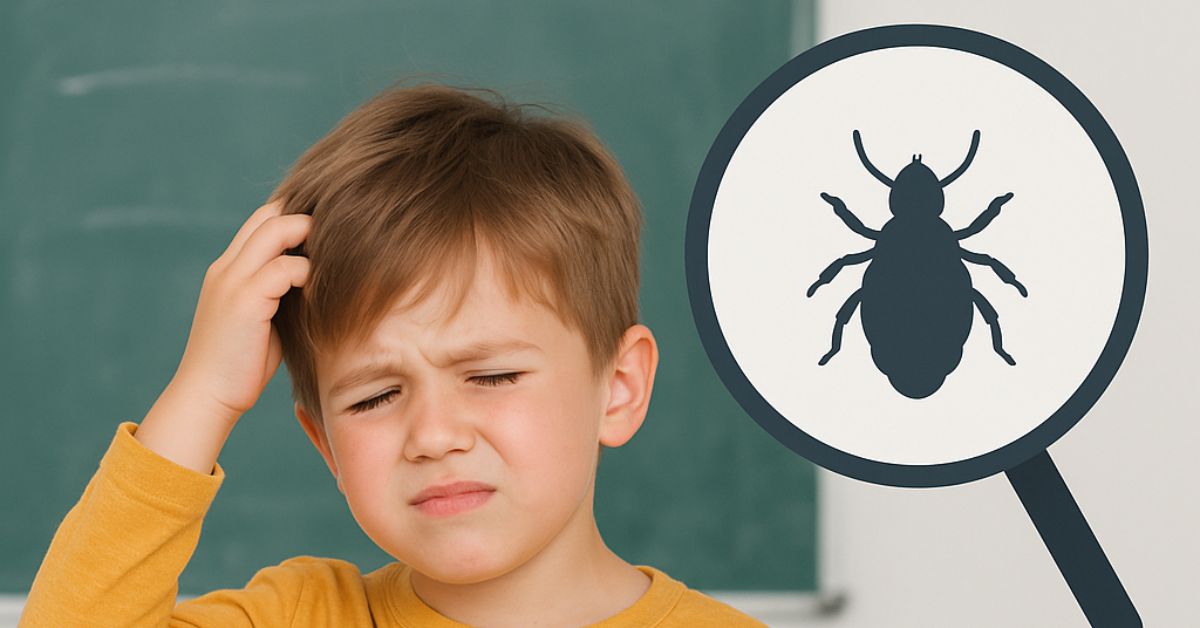
Back-to-School Itch: A Parent’s Guide to Head Lice
Head lice infestation, also called pediculosis, is a common issue in children, especially during the school year. These tiny insects live on the scalp and feed on blood, spreading easily through close contact. While they don’t transmit diseases, lice can cause significant discomfort and social stress for children and families.
Physical Effects of Lice
-
Itching and Irritation: Caused by lice bites, often intense and uncomfortable.
-
Redness and Sores: Persistent scratching may lead to small sores, especially behind the ears and on the neck.
-
Infection Risk: Scratches can become infected with bacteria.
-
Sleep Disruption: Nighttime itching can disturb rest.
-
Hair Damage: Frequent scratching and combing may cause temporary damage.
Emotional and Social Effects
-
Embarrassment or stigma, especially if children are teased.
-
Missed school days, since some schools require treatment before returning.
Facts Parents Should Know
-
Lice spread via head-to-head contact or by sharing hats, combs, and bedding.
-
They do not spread diseases, but quick treatment is important to prevent outbreaks.
Treatment and Prevention Tips
-
Use medicated shampoos or lotions designed for lice treatment.
-
Comb out lice and nits with a fine-tooth comb regularly.
-
Wash clothing, bedding, and personal items in hot water.
-
Teach children not to share hats, combs, or hair accessories.
Head Lice Products You Can Try
With early detection, proper treatment, and preventive steps, parents can handle lice quickly and reduce the impact on their child’s health and school attendance.
Disclaimer:
This content is for informational purposes only and is not a substitute for medical advice. Please consult your healthcare provider before using any treatment, especially for children.
September 11, 2025
|
View: 208
|
Categories: Health and Wellness, Pharmacy & Health Advice
| Tags: lice prevention, head lice, lice, pediculosis, school hygiene